Asset strategies built around process function and system risk
STABLE OPERATION
Your assets must deliver the
required to protect production, quality and compliance.
Discuss your plant strategy
Turn aligned asset data into executable maintenance strategy
FOUNDATION
Function
What it does. Systems hierarchy, equipment duty and relationships.
Asset Class
What it is. Equipment class, characteristics, make/model
Location
Where it is. Layouts, equipment positions and digital mapping.

Risks and Strategies
AMSYST converts asset data into practical, risk-based maintenance decisions.
CRITICALITY
Combine equipment functional failures, process consequences, buffer capacity and product exposure to determine criticality and risk profile.
PM STRATEGY
Build reusable PM templates with tasks, resources, duration and procedures, then link the right template to each asset.
ESSENTIAL SPARES
Use risk profile, failure predictability and spares lead time to identify the essential spares required to support plant availability.
LIFECYCLE PLANS
Project end-of-life risks, monitor asset condition, and put in place a plan to deliver the lowest Total Cost of Ownership.
EXECUTABLE OUTPUT
PM Plans
Generated PM plans and task lists, ready for scheduling and execution in the CMMS.
Inventory Levels
Required spare parts, stocking approach and minimum inventory levels.
Investment Plan
Asset grading, renewal actions, capital / maintenance expenditure forecasts.
PROCESS CONTEXT MATTERS
Similar assets do not always need the same strategy.
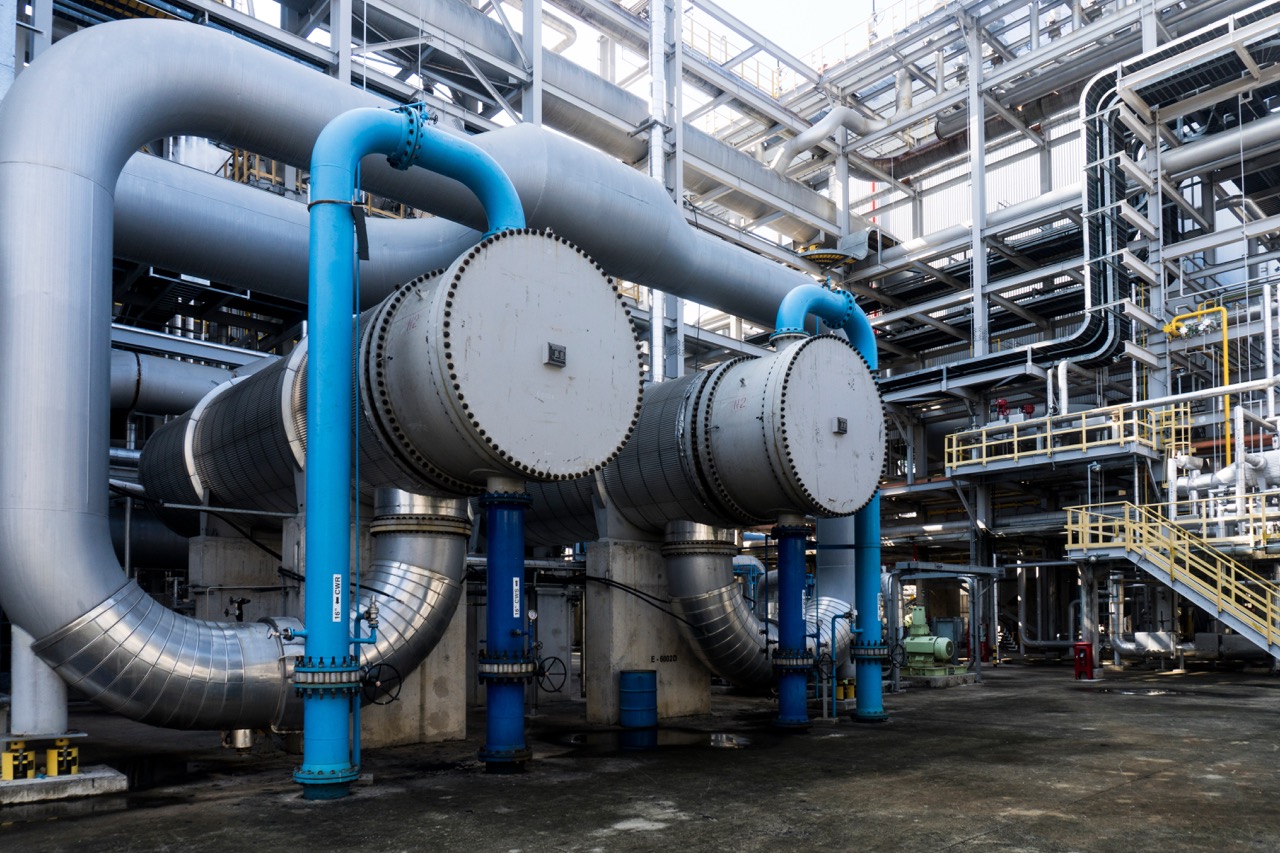
In a process plant, maintenance strategy is not defined by equipment type alone. Two similar assets can require different maintenance, spares and lifecycle decisions because their duty, process position and product contact are different.
Duty & Accessibility
How the asset is operated and maintained: continuous or intermittent duty, standby role, inspection access and maintenance windows.
Product & Operating Exposure
Whether the asset is exposed to product, chemicals, contamination risk or variable operating conditions.
System Dependency
How the system is affected by failure, including buffer capacity, redundancy, bypass options, downtime impact and recovery time.
AMSYST uses this context to build the asset risk profile, so the right strategy templates can be applied accordingly.
STANDARDISE WITHOUT OVERSIMPLIFYING
Reusable templates, asset-specific deployment
Process plants contain many repeated equipment types and components. AMSYST captures the maintenance logic once, then applies it consistently across large numbers of assets.
Standardisation at scale, without turning maintenance strategy into copy-and-paste.
Standardisation gives you speed.
Context gives you accuracy.
AMSYST brings both together.

WHERE IT APPLIES
From process systems to the equipment that supports them.
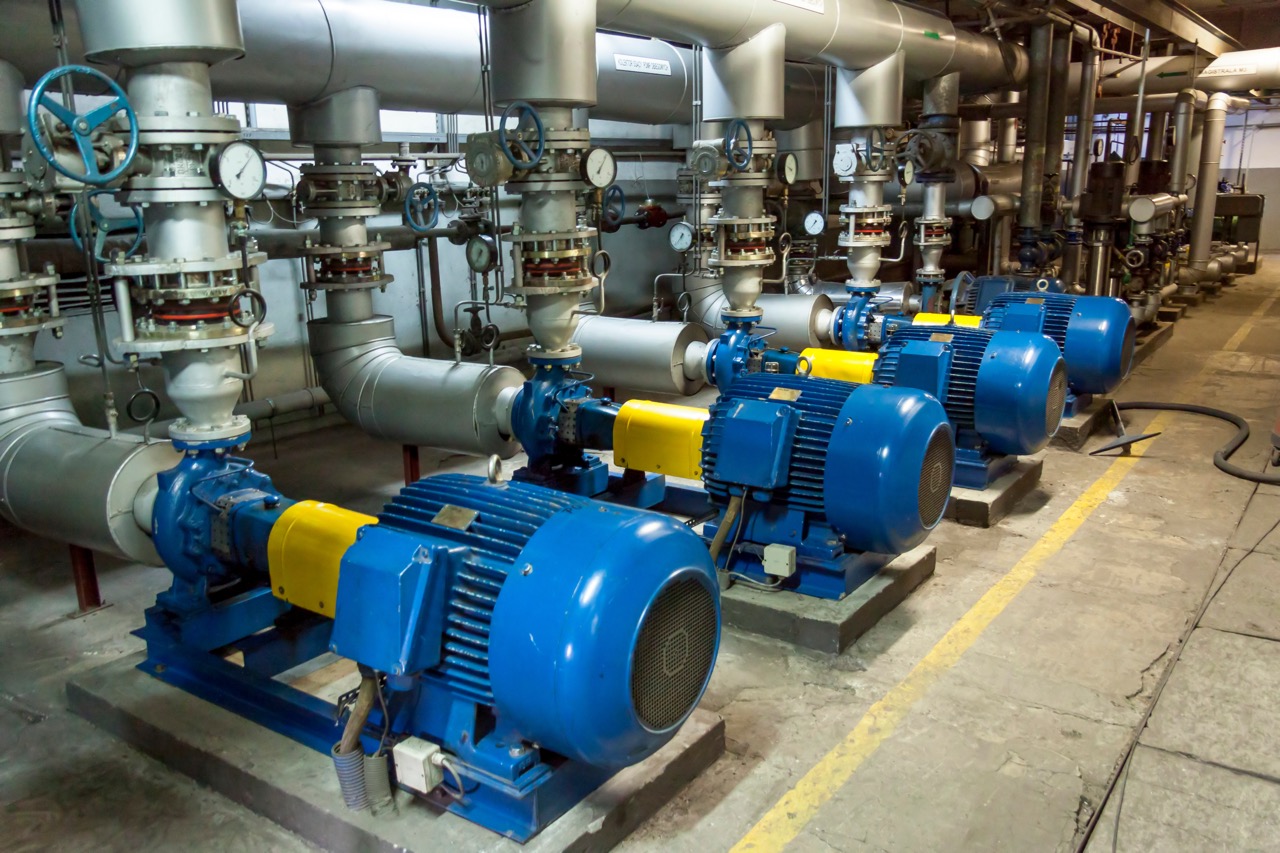
AMSYST supports strategy development across the repeated equipment families found in process plants, while still recognising the function, exposure and dependency of each asset within the system.
WHAT’S NEXT?
GET IN TOUCH
Tell us what you need, and we’ll help you find the right next step